
|
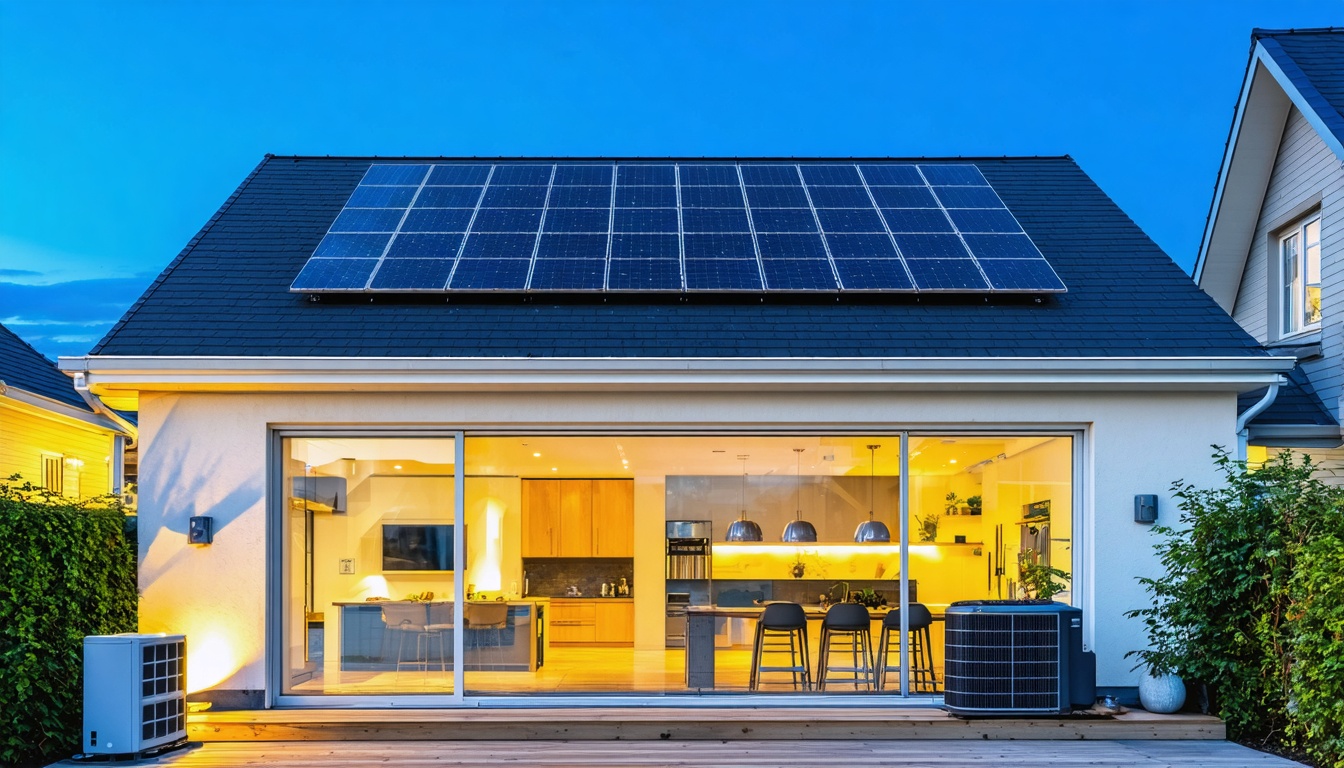 Home Energy Efficiency Improvements That Complement Solar PowerWhen investing in solar power, enhancing your home’s energy efficiency is a critical component of maximizing the benefits of your solar system. Various upgrades, such as improving insulation, replacing windows with energy-efficient models, and installing smart thermostats, can significantly increase the amount of energy your solar panels can effectively utilize. Improving insulation helps maintain a stable indoor temperature, which reduces the demand on heating and cooling systems. As a result, you can conservatively use the power generated from your solar panels, leading to lower energy costs. Upgrading to energy-efficient windows can prevent heat loss in winter and reduce heat gain in summer, further optimizing your home’s energy performance. Moreover, smart thermostats allow for more precise control over heating and cooling, adapting to your schedule and preferences while ensuring that energy is used efficiently. Together, these improvements support your energy goals by reducing overall consumption, enhancing comfort, and maximizing the financial return on your solar investment. Identifying which upgrades offer the most significant impact depends on various factors, including your home's current energy performance, local climate, and specific energy needs. Engaging with energy professionals can provide insights into the most effective combination of improvements tailored to your situation, ensuring that your solar system operates efficiently and cost-effectively. Enhancing Insulation and Air SealingWhile solar panels can help decrease reliance on conventional energy sources, their effectiveness is closely tied to a home's insulation quality and air sealing. Enhancing insulation and rectifying air leaks can minimize heat loss and lower energy costs, which in turn can improve the efficiency of solar installations and other energy-consuming appliances. Improvements may include various upgrades to home efficiency and engaging with local programs, such as those in New Hampshire, which offer tax incentives and financial savings for homeowners. These enhancements can lead to reduced fossil fuel dependence, ultimately resulting in a smaller carbon footprint. For more information on residential solar options in the state, you can visit Residential Solar in New Hampshire. Furthermore, implementing better insulation and air sealing can improve indoor comfort and air quality. In the broader market context, energy-efficient residences and commercial establishments in the United States may not only achieve cost savings, but they can also see an increase in property value. Additionally, such measures contribute to environmental preservation efforts through the adoption of energy-efficient technologies. Upgrading Doors and WindowsUpgrading doors and windows in residential and commercial buildings can lead to a noticeable reduction in energy loss, potentially by up to 30%. Such improvements can also enhance the efficiency of solar power systems. In various regions, including York and other areas across the United States, the installation of new Energy Star-rated windows and storm doors are recognized measures that contribute to energy efficiency. These upgrades typically result in better insulation, which can alleviate the demand on heating and cooling systems. As a consequence, this may lead to a reduction in electric bills and lower carbon emissions. Additionally, these renovations can enhance indoor comfort and potentially increase the market value of the property. Property owners, including homeowners and businesses, may have access to incentives, tax credits, and programs designed to support the implementation of energy efficiency upgrades. Engaging in these improvements can present both economic savings and environmental advantages, making them a logical consideration for those looking to enhance their property's efficiency. Improving Water Heating EfficiencyWater heating accounts for a significant portion of energy use in residential and commercial settings. Improving the efficiency of water heating systems is essential for reducing energy consumption and promoting sustainable practices. One effective option is to upgrade to a heat pump water heater, which utilizes ambient air to heat water more efficiently compared to traditional electric water heaters. This transition can lead to long-term reductions in both energy costs and environmental impact. In addition to upgrading the heating system, enhancing insulation around water heaters and plumbing can help minimize heat loss. Improved insulation not only boosts the performance and longevity of water heaters but also results in additional energy savings. The implementation of smart thermostats is another measure that can optimize the heating schedule based on actual usage, leading to further reductions in energy expenditure. Low-flow fixtures represent another means of improving overall water efficiency. By reducing water consumption without compromising performance, these fixtures contribute to conservation efforts. Collectively, these strategies can lead to lower energy usage and reduced reliance on fossil fuels. Regular maintenance is necessary to ensure that water heating systems operate efficiently over the long term. Furthermore, homeowners may find various incentive programs that offer tax credits for energy-efficient upgrades, effectively offsetting some of the costs associated with these improvements. Installing Energy-Efficient AppliancesInvesting in energy-efficient appliances is a practical measure for optimizing solar power systems. Upgrading to appliances like Heat Pump Water Heaters can lead to reduced electricity costs, decreased carbon emissions, and improved indoor air quality. In regions such as New York, the use of Energy Star® certified products—such as high-efficiency water heaters and refrigerators—can facilitate long-term financial savings due to their lower energy consumption. Incorporating solar power alongside energy-efficient appliances can enhance the utilization of solar energy, potentially increasing the output of solar panel systems. Furthermore, consumers may benefit from tax incentives and rebate programs when they combine these efficiency upgrades, which can improve their overall return on investment. It is essential for any appliance upgrades to be properly sized to meet the specific requirements of the household or business, as this can further optimize energy use. In addition to upgrading appliances, adopting various energy conservation practices can further reduce electricity demand, leading to improved comfort in living and working spaces while promoting sustainability. Utilizing Smart ThermostatsIntegrating smart thermostats with solar power systems can enhance energy management and reduce utility expenses. By adopting a smart thermostat, homeowners can maximize the advantages of solar panels and improve overall energy efficiency in their homes. These devices allow for automated control of heating, cooling, and water heating, which can lead to lower electric bills. They are also compatible with heat pumps and heat pump water heaters, contributing to further energy savings. In addition to potential financial benefits, several programs and incentives, including tax credits, are available to residents in New York and other states. These support the adoption of energy-efficient technologies such as smart thermostats. Common features of smart thermostats include usage reports and remote access through mobile applications, which can help optimize indoor air quality and comfort. Furthermore, smart thermostats play a role in aligning electricity consumption with solar energy generation, promoting more sustainable energy use. Integrating Low-Flow FixturesIntegrating low-flow fixtures in residential settings is an effective method for reducing water consumption, which can positively influence overall energy efficiency, especially when used in conjunction with solar power systems. Upgrading to low-flow showerheads, faucets, and toilets can result in notable decreases in both water and electricity consumption. For instance, modern toilets generally use about 1.28 gallons per flush, leading to reduced water usage in households. Adopting low-flow fixtures can lower utility expenses and reduce dependence on fossil fuels. Homeowners may experience financial savings through decreased costs related to water heating and can see improvements in indoor air quality from lower humidity levels associated with reduced water use. Additionally, these upgrades may increase property value, particularly when they are implemented alongside solar energy systems, as this combination represents a proactive method toward sustainable living. Homeowners and businesses are encouraged to investigate local programs and incentives that support such improvements, which can further facilitate cost savings and contribute to environmental preservation. Adopting Clean Heating and Cooling SystemsTransitioning to clean heating and cooling systems, such as modern heat pumps, can effectively lower energy consumption and lessen environmental impacts. Upgrading to air or ground source heat pumps can decrease reliance on fossil fuels and can lead to lower utility costs. Furthermore, such upgrades may enhance property value due to the growing preference for energy-efficient systems. Advancements in efficient appliances and the implementation of smart thermostat programs further contribute to improved indoor air quality and residential comfort. In New York, homeowners can take advantage of state incentives and tax credits designed to support these upgrades. Typical rebates range from $2,000 to $3,000, making the initial investment in energy-efficient systems, including heat pump water heaters, more accessible. Utilizing savings calculator tools is recommended for homeowners to assess the financial benefits of these programs. The advantages gained from such improvements include reduced heat loss, decreased electricity consumption, and contributions toward environmental sustainability. These factors combine to support a transition to more efficient heating and cooling solutions. Harnessing Solar Energy for Sustainable PowerAs energy demands increase, solar power offers a practical solution for homeowners seeking sustainable options. By harnessing solar energy, individuals can reduce their dependence on fossil fuels and lower carbon emissions. The combination of solar panels with efficiency upgrades—such as high-performance windows, smart thermostats, and heat pumps—can lead to enhanced energy savings and a more comfortable living environment. Additional upgrades, including water heaters and energy-efficient appliances, further support both economic and environmental benefits. In New York and across the United States, numerous programs and tax incentives are available to encourage energy-efficient upgrades, improving their financial accessibility. Community solar initiatives also exist, allowing residents who cannot install solar panels on their properties to participate in solar energy generation and decrease their electricity costs. Homeowners considering these transitions can benefit from consulting practical resources like tips and savings calculators, which can help identify effective strategies for maximizing cost savings and improving efficiency. Overall, investing in solar energy and related upgrades can yield considerable long-term advantages for homeowners and contribute positively to environmental sustainability. ConclusionEnhancing the energy efficiency of your home can significantly complement the installation of solar power systems and contribute to overall utility savings. Key improvements include upgrading insulation, which minimizes heat transfer and reduces the reliance on heating and cooling systems. Efficient windows, such as double or triple-glazed units, also play a role in maintaining indoor temperatures and decreasing energy waste. Incorporating smart technologies can aid in monitoring and managing energy consumption more effectively. This includes smart thermostats and energy management systems that optimize usage patterns based on individual behavior. Furthermore, upgrading to modern appliances that have high energy efficiency ratings can lead to lower energy consumption over time. Additionally, installing low-flow fixtures can reduce water usage, which indirectly lowers energy costs associated with water heating. Upgrading heating, cooling, and water systems to more efficient models can further enhance home comfort while adding value to the property. High-efficiency heating systems, such as furnaces and heat pumps, combined with cooling units that meet energy efficiency guidelines, ensure that energy is used effectively. When these various energy efficiency improvements are integrated, they can work synergistically with solar power systems, helping minimize energy waste and maximizing the utility of energy generated from solar sources. Collectively, these strategies contribute to a sustainable living environment that supports the financial and environmental benefits of solar energy investments.
|
||||||||||||||


